

This walk through Llanes old town and its medieval walls links the surviving fortifications with the Basilica of Santa María del Conceyu, the Torreón and the Palace of the Dukes of Estrada. The sights sit within Llanes’s historic-artistic ensemble, with the harbour providing a natural final stop.
- Starting point: Llanes city centre, about a 5-minute walk from Hotel Puerto de Llanes.
- Historic core: The walls and Torreón date to the 13th century.
- Basilica: A Gothic church with Romanesque elements, built from around 1240.
- Route style: A walk between sights in the historic centre, ending by the harbour.
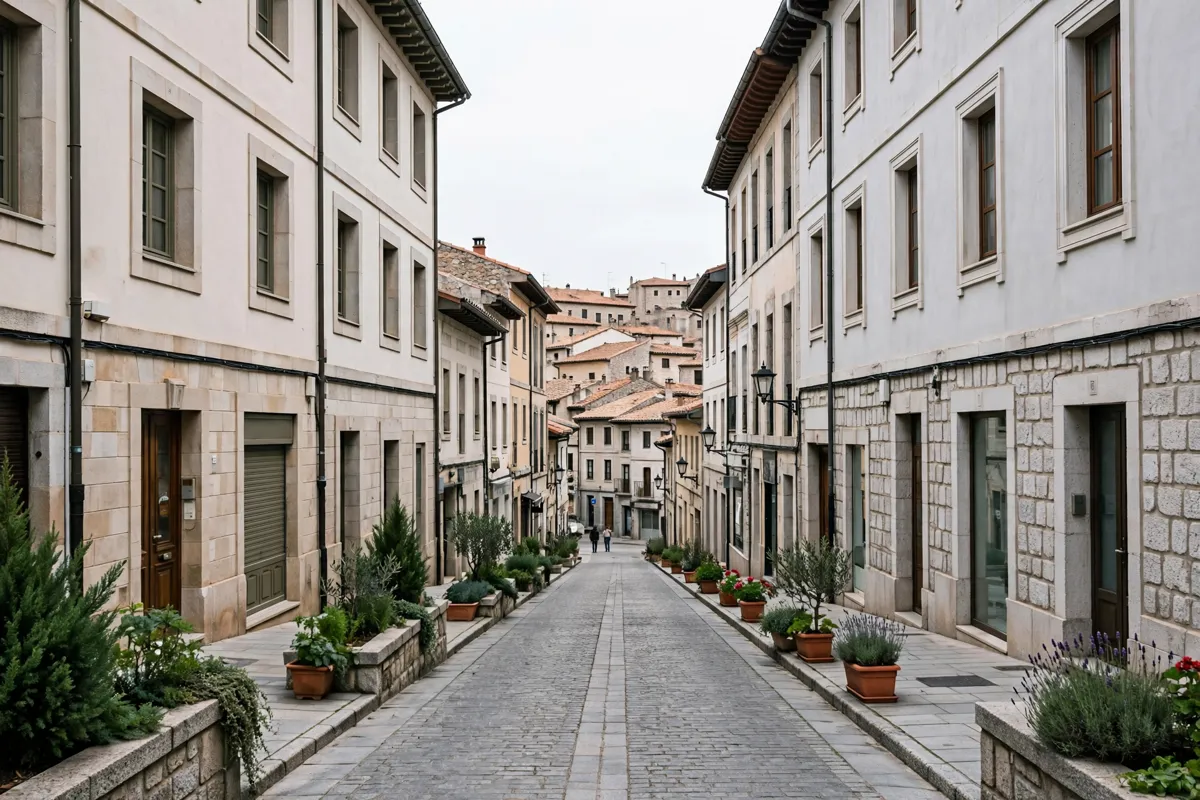
Starting the walk in central Llanes
Begin in Llanes’s historic centre, where the main sights are gathered within a compact heritage area. The municipal tourism site describes the centre as a historic-artistic ensemble containing the medieval walls and Torreón, the Basilica of Santa María del Conceyu and the Palace of the Dukes of Estrada.
The story of the town’s historic core reaches back to the early 13th century. Llanes received its charter under Alfonso IX, and construction began on the walls, Torreón and basilica around that time.
As you walk, you can see how these landmarks belong to different parts of the town’s history rather than to a single building project: the palace followed in the 17th century.
Use the old-town streets to move between the landmarks, allowing time to pause at each one. The municipal tourism site provides downloadable and online street maps if you want to orient yourself before setting out; the historic centre is pedestrianised around the palace, so continue on foot rather than trying to drive between sights.
The Llanes Weekly Market is another local feature to know about when planning a town visit.
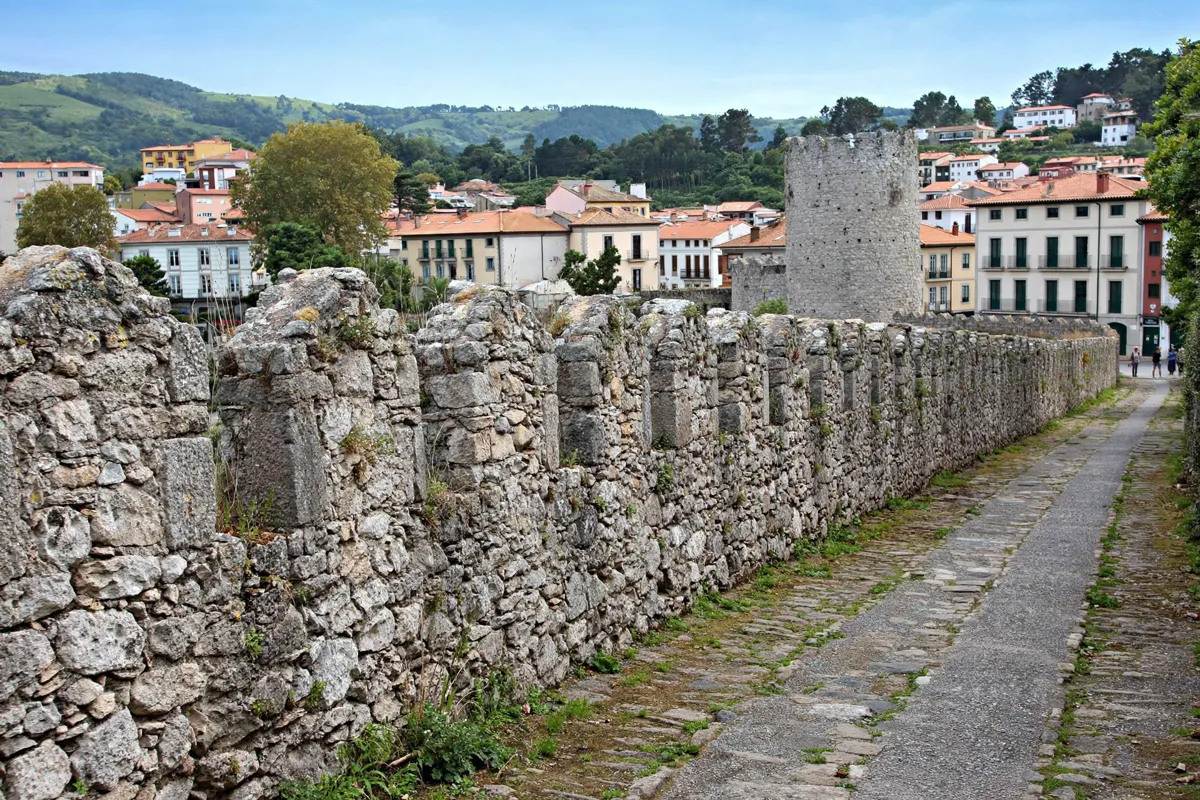
Following the medieval walls
About 300 metres of Llanes’s 13th-century walls survive, making the fortifications one of the clearest places to see the town’s medieval past.
The walls began as part of the building work that followed Llanes’s charter, alongside the Torreón and basilica. Walk along the surviving sections and look for how the old defences meet the later town streets. The Torreón, also dating to the 13th century, was part of this historic defensive landscape.
Rather than treating the walls as a separate destination, use them to orient yourself as you continue through the old town. The basilica and palace are also among the heritage sights identified by Spain’s official tourism portal, so the walk can move naturally from the fortifications into the town’s religious and civic history.
The Torreón has its own story as one of Llanes’s defining medieval landmarks.
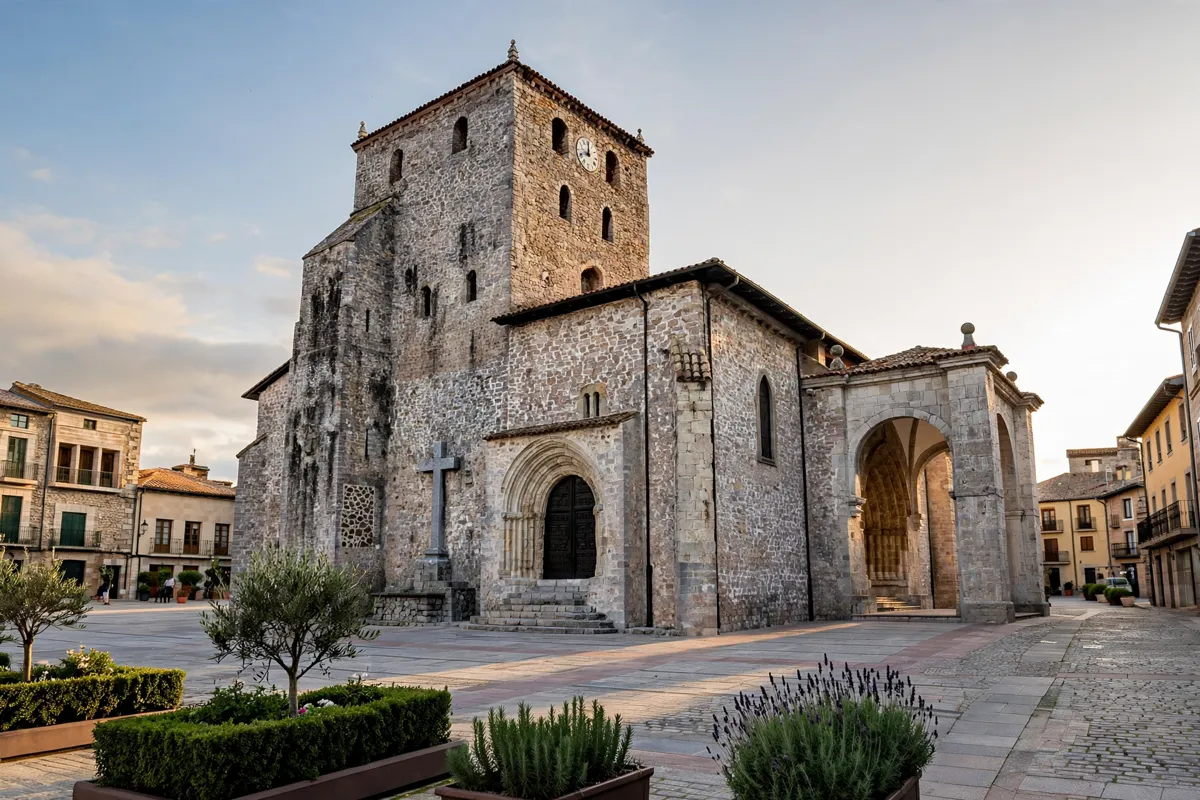
Visiting the Basilica of Santa María del Conceyu
The Basilica of Santa María del Conceyu is a Gothic church with Romanesque elements, built over a period that began around 1240 and continued into the 14th or 15th century.
From the old-town streets, you can reach the basilica on foot by Calle Mayor or Paseo de San Pedro. Its address is Plaza Cristo Rey, 1, 33500 Llanes, Asturias. The church was raised to the rank of Minor Basilica in 1973, adding a later chapter to a building whose construction began in the medieval period.
Published visitor hours are Monday to Saturday, 09:00–14:30 and 17:30–20:30; on Sundays and public holidays, the listed times are 11:00, 12:00 and 19:00. The hours and access arrangements can change, so check the official site before you go.
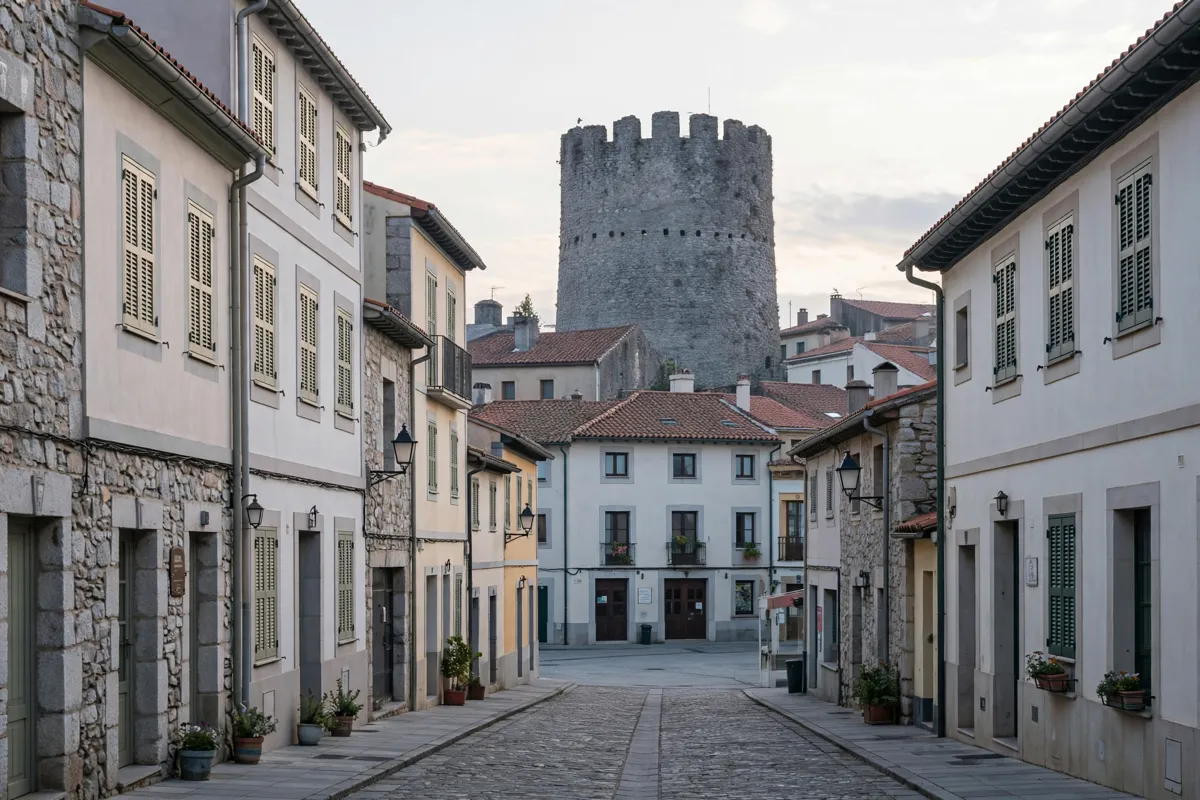
Adding the Torreón and Palace of the Dukes of Estrada
The Torreón and Palace of the Dukes of Estrada add two distinct landmarks to a walk through Llanes’s historic centre.
The Torreón dates to the 13th century and belongs to the same period of town building as the walls. The palace, close to both the medieval wall and basilica, dates to the 17th century. Together, they make it easy to trace the historic centre across several centuries without leaving the old-town area.
The palace area is pedestrianised, and its visitor information recommends parking outside the historic centre and continuing on foot. Llanes train station and bus station are each less than a 10-minute walk from the palace. The Torreón de Llanes is one of the old town’s defining medieval landmarks.
Finishing near the harbour
Finish the walk by the harbour, another of Llanes’s heritage sights and a change of scene from the narrow old-town streets.
The municipal tourism site includes the harbour, the Cubos de la Memoria and Paseo de San Pedro among the town’s sights and walks. The waterfront makes a fitting final stretch after the walls, basilica and palace: it connects the historic centre with Llanes’s coastal setting. The harbour and Cubos de la Memoria have their own story along the waterfront.
FAQs
How much of Llanes’s medieval wall survives?
Approximately 300 metres of the 13th-century walls survive.
When was the Basilica of Santa María del Conceyu built?
Construction began around 1240 and continued into the 14th or 15th century.
Can you visit the old town on foot?
Yes. The basilica can be reached on foot by Calle Mayor or Paseo de San Pedro, and the palace area is pedestrianised.
Which historic sights are part of Llanes’s old town?
The historic-artistic ensemble includes the medieval walls and Torreón, the basilica and the Palace of the Dukes of Estrada.